Exploring an Array of Travel Options
From tuk-tuks to the BTS Skytrain, Thailand offers a fascinating mix of transport that suits every budget and style.
TL;DR
Figuring out how to best get around in Thailand? We've got you covered. Here's a rundown of the various ways to get around in the Land of Smiles.
Plane

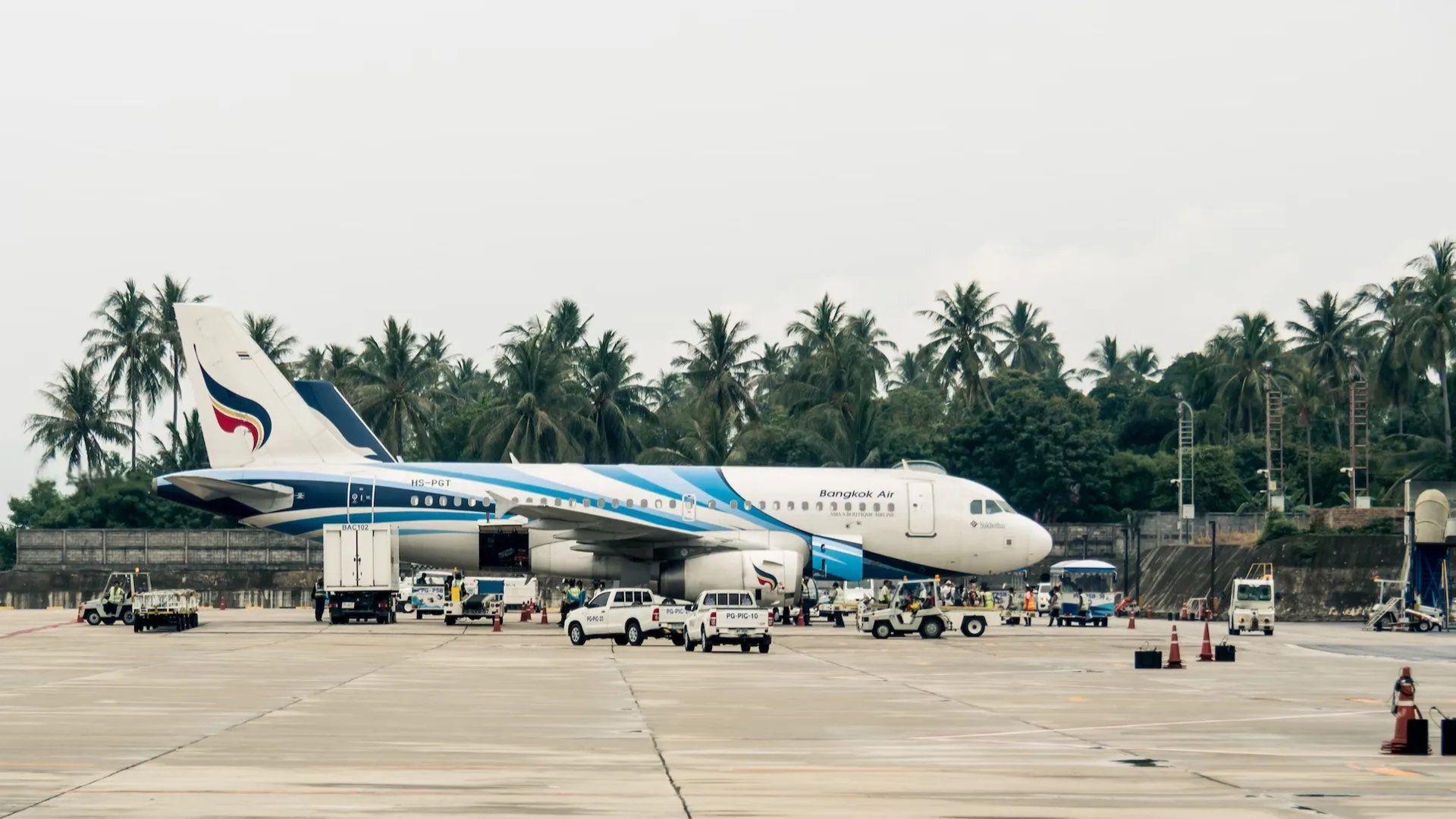
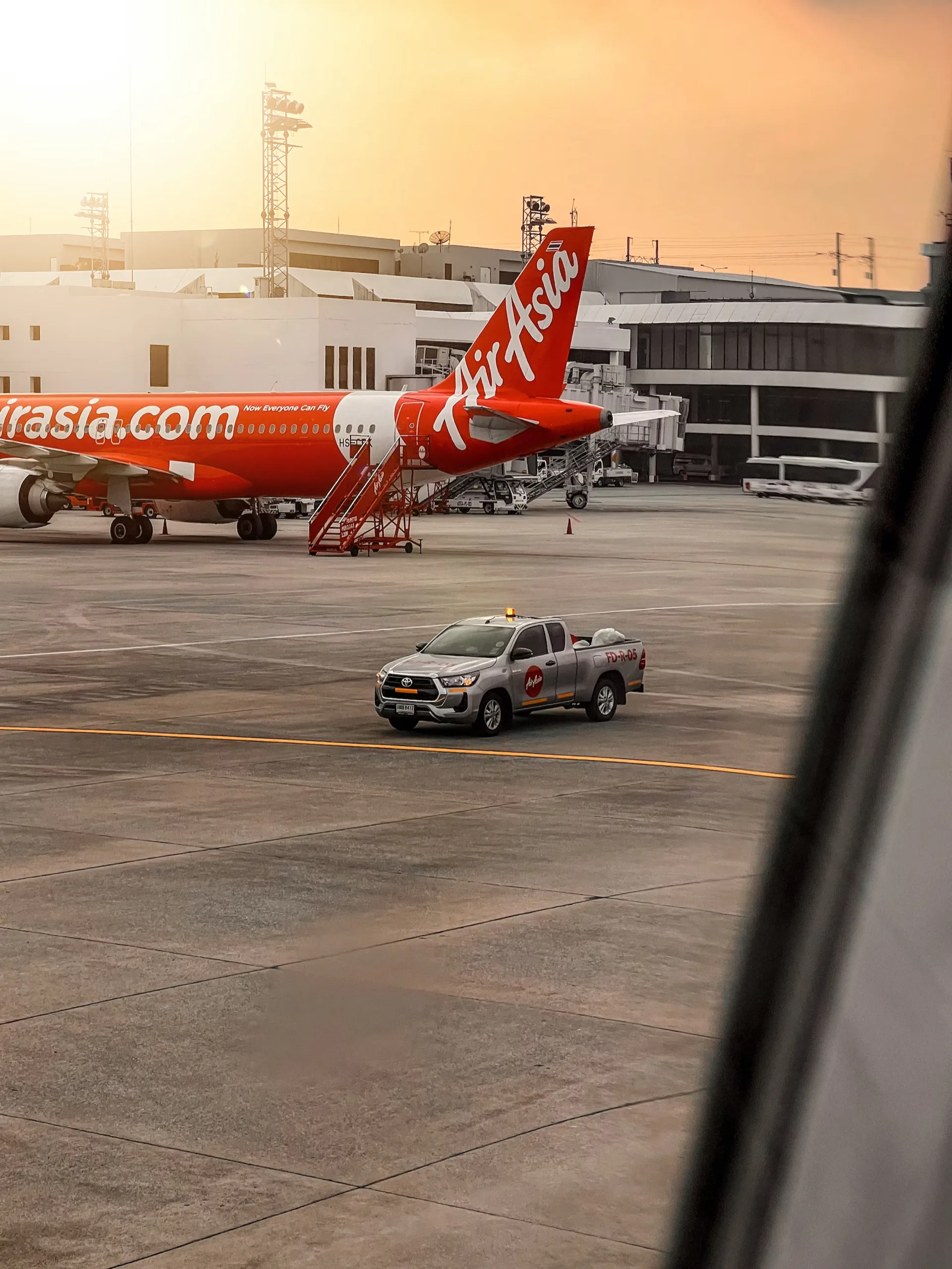
The most convenient way to travel across the country. Low-cost carriers such as Air Asia and Nok Air have flights to just about every major town in Thailand.
Tip: If you're flexible with dates, you can typically find a great deal on Skyscanner!
Speedy transportation between destinations, reducing travel time significantly compared to other modes of transport like buses or trains.
Relatively expensive, especially considering flight tickets, airport taxes, and additional fees for baggage.
Bus
A cost-effective way to explore the country. Thailand has an extensive bus system that will take you to just about any town you're looking to go to. Plus, there are a number of overnight buses with reclining seats, so you can wake up at your destination and save yourself a night's rent.
Inner-city bus systems do exist in cities such as Bangkok and Khon Kaen, but they tend to be pretty confusing. Your best bet is to stick to the regional buses that are catered more to English speakers.
Economical option for budget-conscious travelers, offering affordable fares compared to other modes of transport like planes or trains.
Can be slower and less comfortable, especially for long distances, with limited amenities and potential for delays due to traffic.
Train
The most well-known train route is Bangkok to Chiang Mai, which covers over 700 kilometers. The overnight sleeper trains are an adventure in themselves, fitted with beds and amenities.
Fair warning though — trains can often run behind schedule. Your trip may be longer, but the Thai countryside is beautiful!
Scenic journey offering picturesque views of Thailand's landscapes, along with more spacious seating and the ability to move around compared to other transport.
Can be slower than planes and subject to delays, with limited routes and schedules compared to buses.
Skytrain
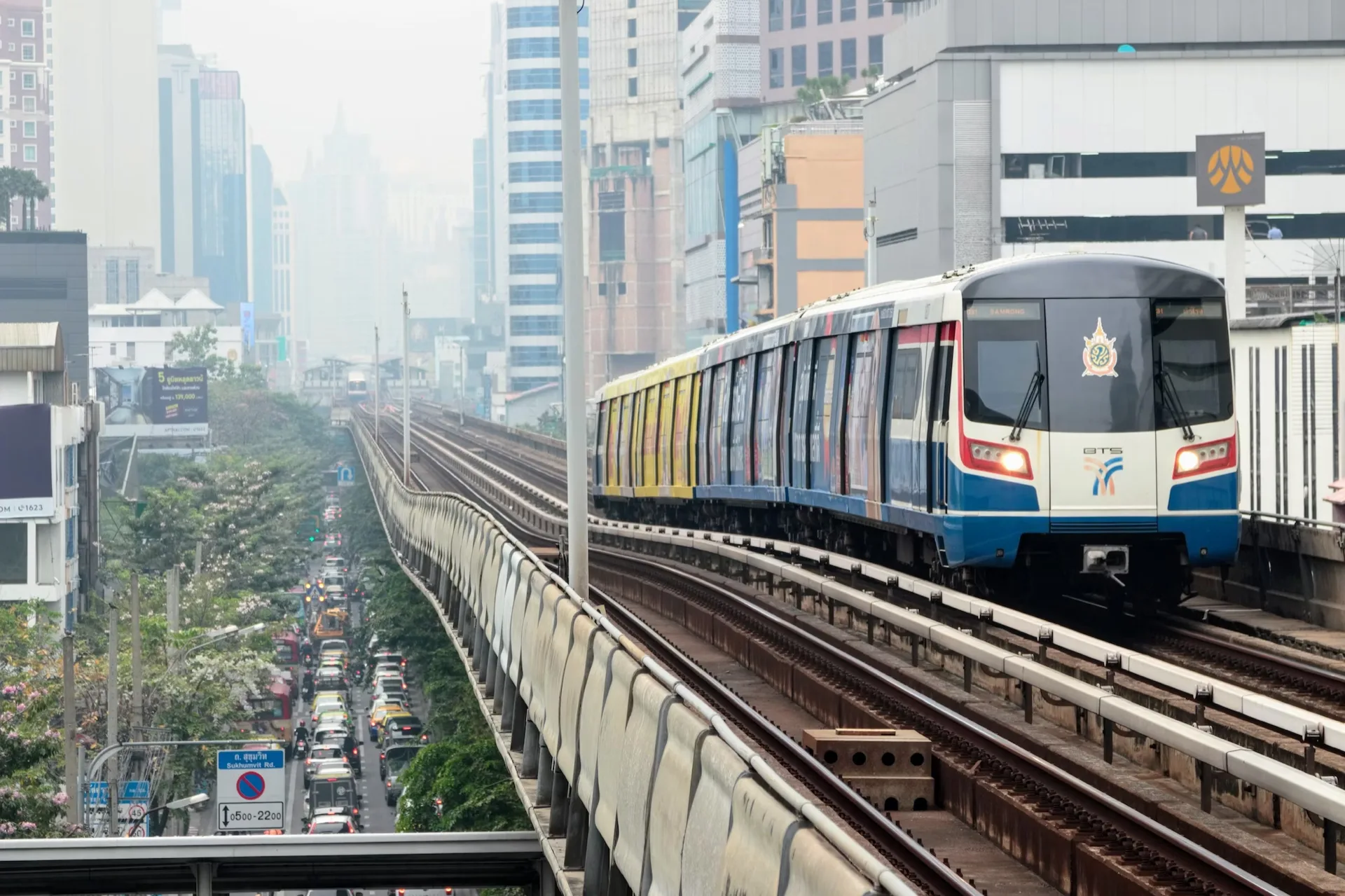
Only available in Bangkok, the BTS Skytrain (or just BTS) is a super convenient way to avoid traffic. It's fast, cheap, reliable, and is even a nice way to see the city.
It can get crowded during rush hour, and it doesn't cover the entire city (particularly the old town side), but it's still the quickest and cheapest way to get around most of Bangkok.
You'll find it pretty easy to snag a ticket at the self-service stations, with English options and straightforward maps that lay out the different stops.
Fast, affordable, and reliable urban transport that bypasses Bangkok traffic entirely. Easy to use even for first-time visitors.
Limited coverage area primarily focused on urban centers, with less accessibility to rural or remote destinations compared to buses or trains.
Taxi
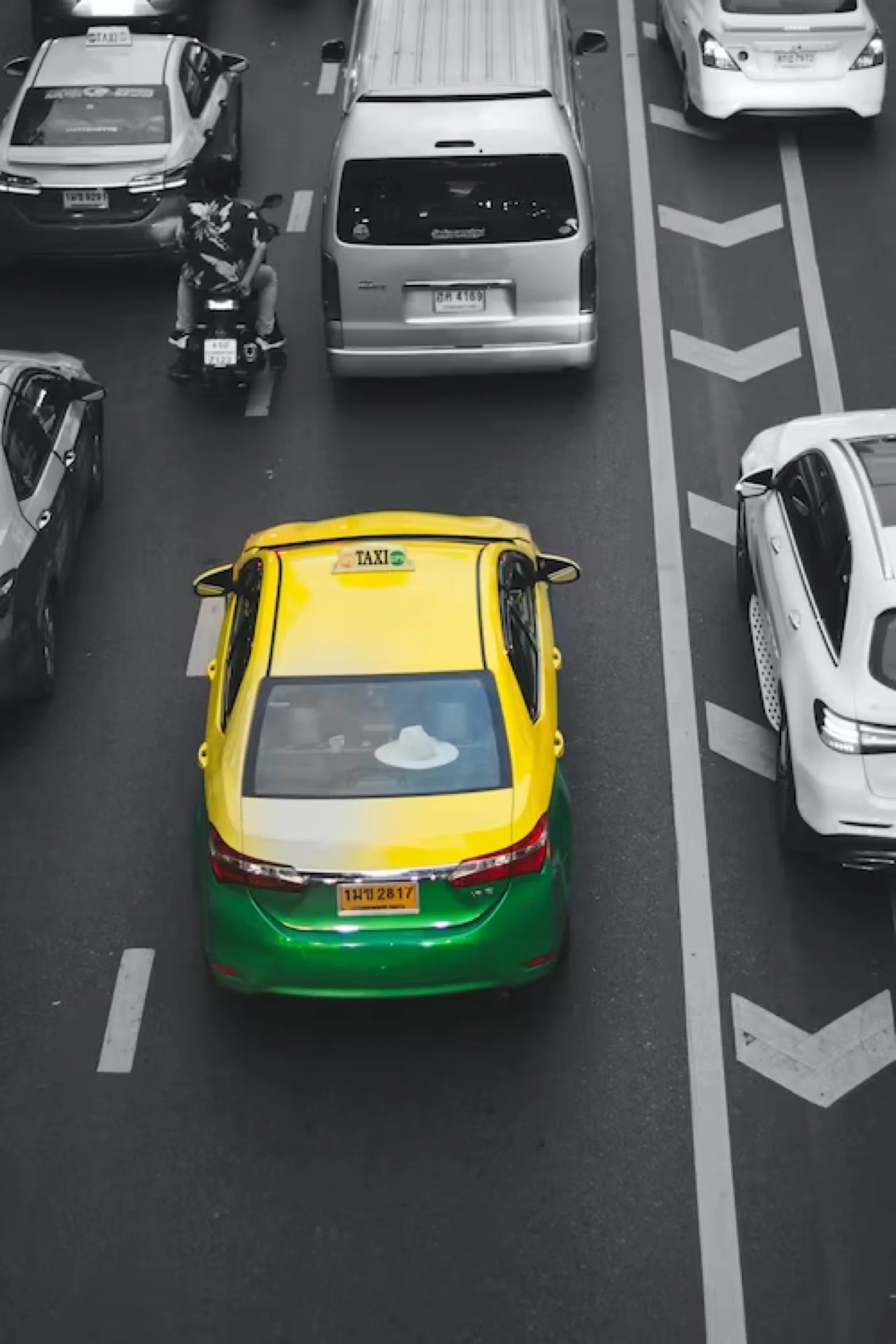
Easily identified by their bright green and yellow exteriors (sometimes pink or blue), taxis are abundant in urban areas. Depending on the traffic & weather, this can be a terrific or horrendous way of getting around.
Tip: Make sure the taxi driver turns on the meter. If you want to agree to a fare beforehand, that's fine, but know that you'll be paying a premium.
Convenient door-to-door transportation with flexibility to travel to specific destinations, offering a faster and more direct option compared to public transportation.
Can be more expensive, especially during peak hours or in tourist areas, with potential for traffic delays and language barriers with drivers.
Motorbike Taxi
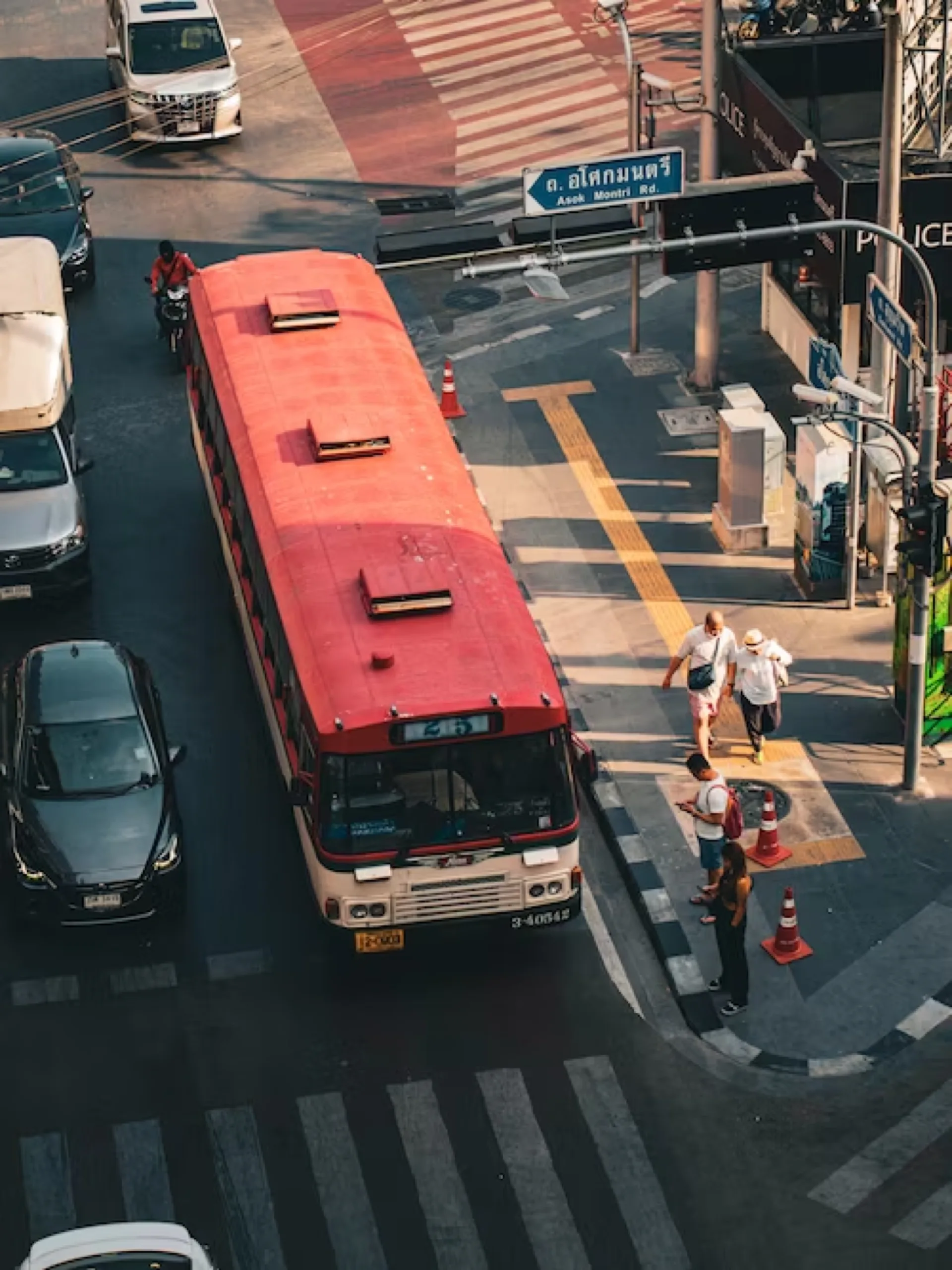
Super convenient, cheap, and quick…what's the catch?
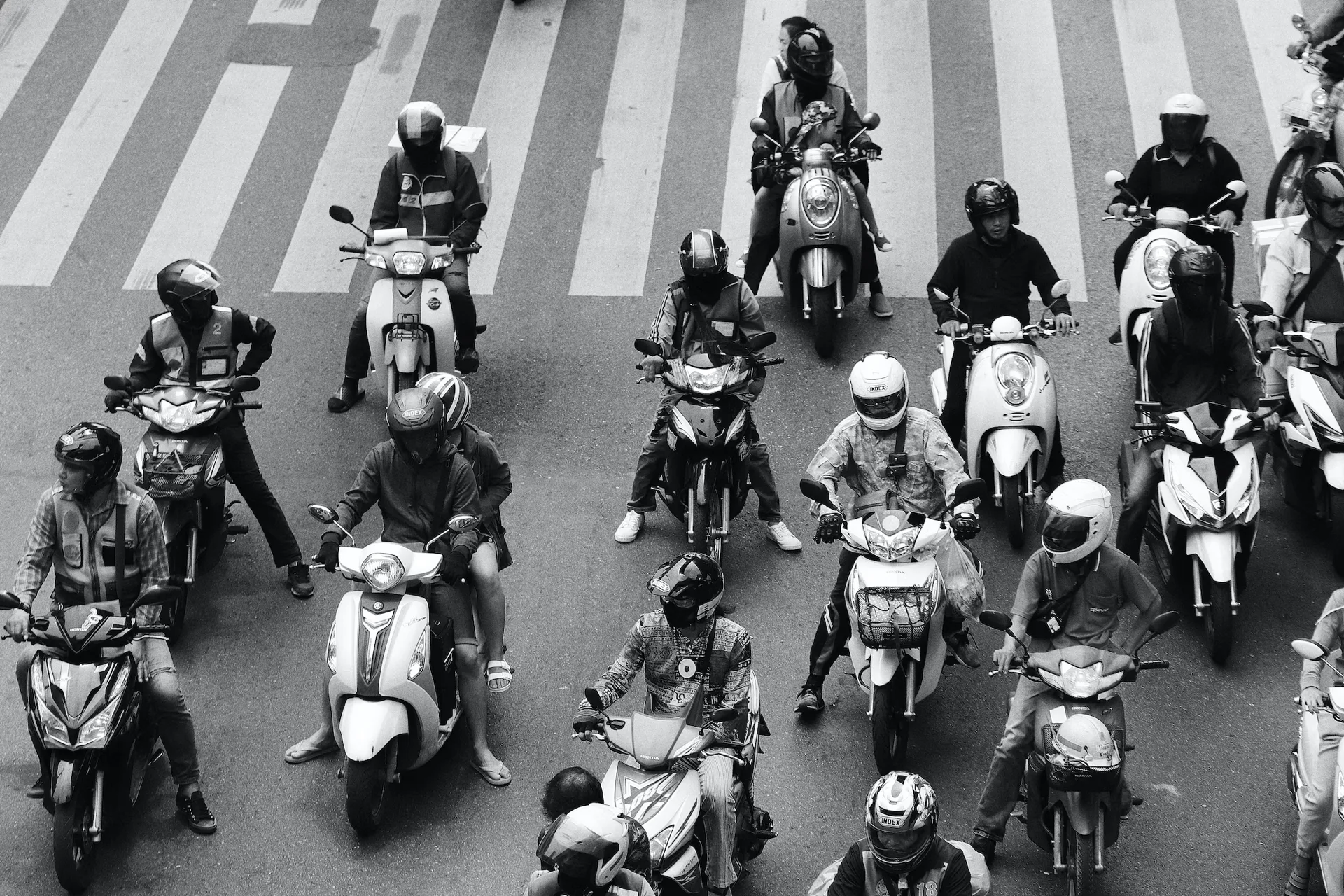
A little dangerous! Although these drivers are typically skilled and have tons of experience, you're always taking a chance when getting on a bike without a helmet (they rarely ever provide one).
Quick and agile option for navigating through traffic in congested areas, offering flexibility and accessibility to narrow streets and shortcuts.
Safety concerns due to lack of protective gear and adherence to traffic laws, along with language barriers and potential for overcharging, especially for tourists.
Ride-Hailing Apps
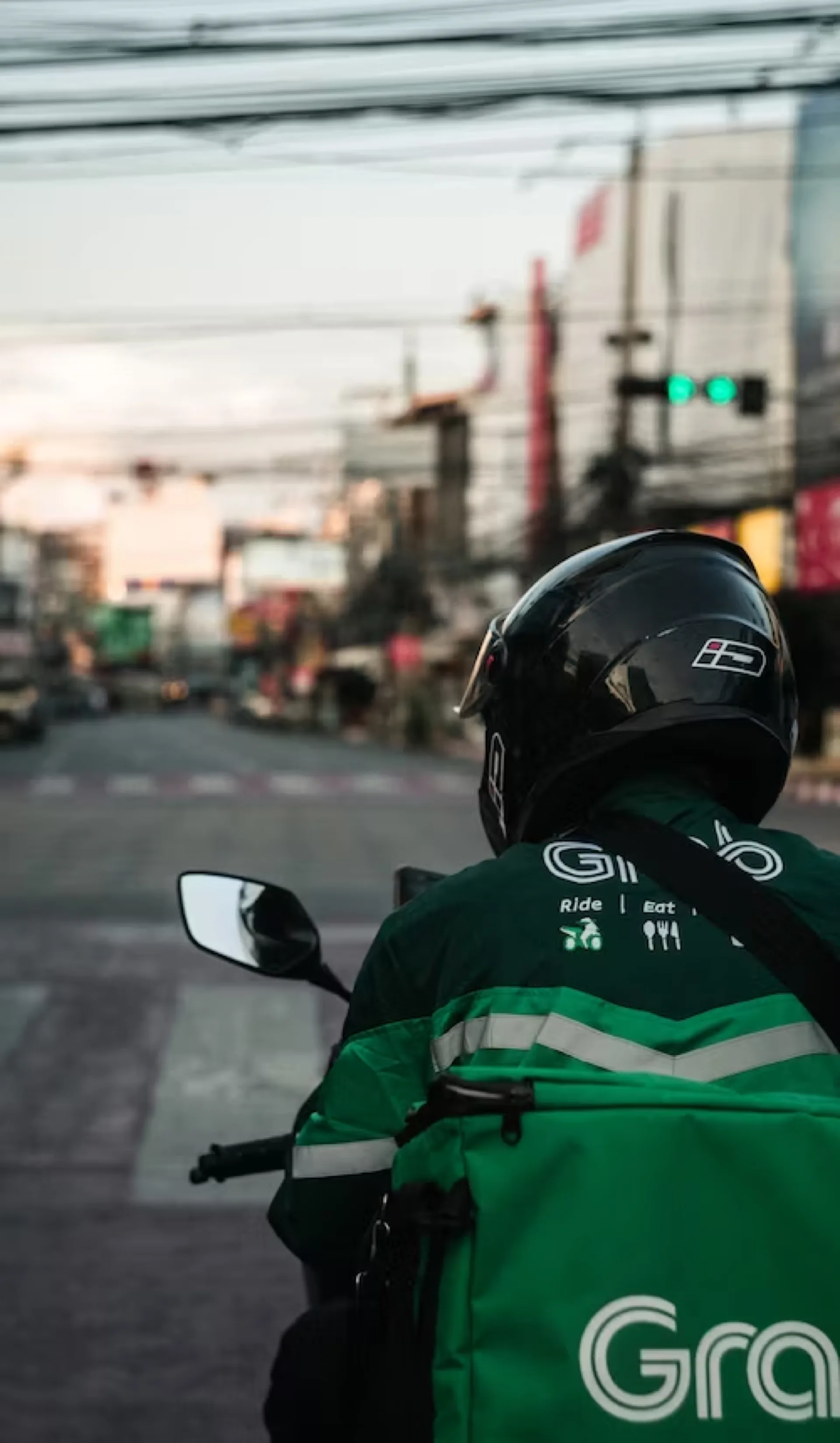
"Superapps" have become commonplace in Thailand. Grab (which acquired Uber) is the most well known, while Bolt is an up and comer that provides slightly better rates.
This is a good option if you want transparent pricing and easy route planning.
Convenient and efficient transportation option, offering easy booking, reliable service, and often competitive pricing compared to traditional taxis.
Potential for surge pricing during peak hours or high-demand periods, occasional issues with driver availability, and reliance on internet connectivity for booking rides.
Tuk-Tuk
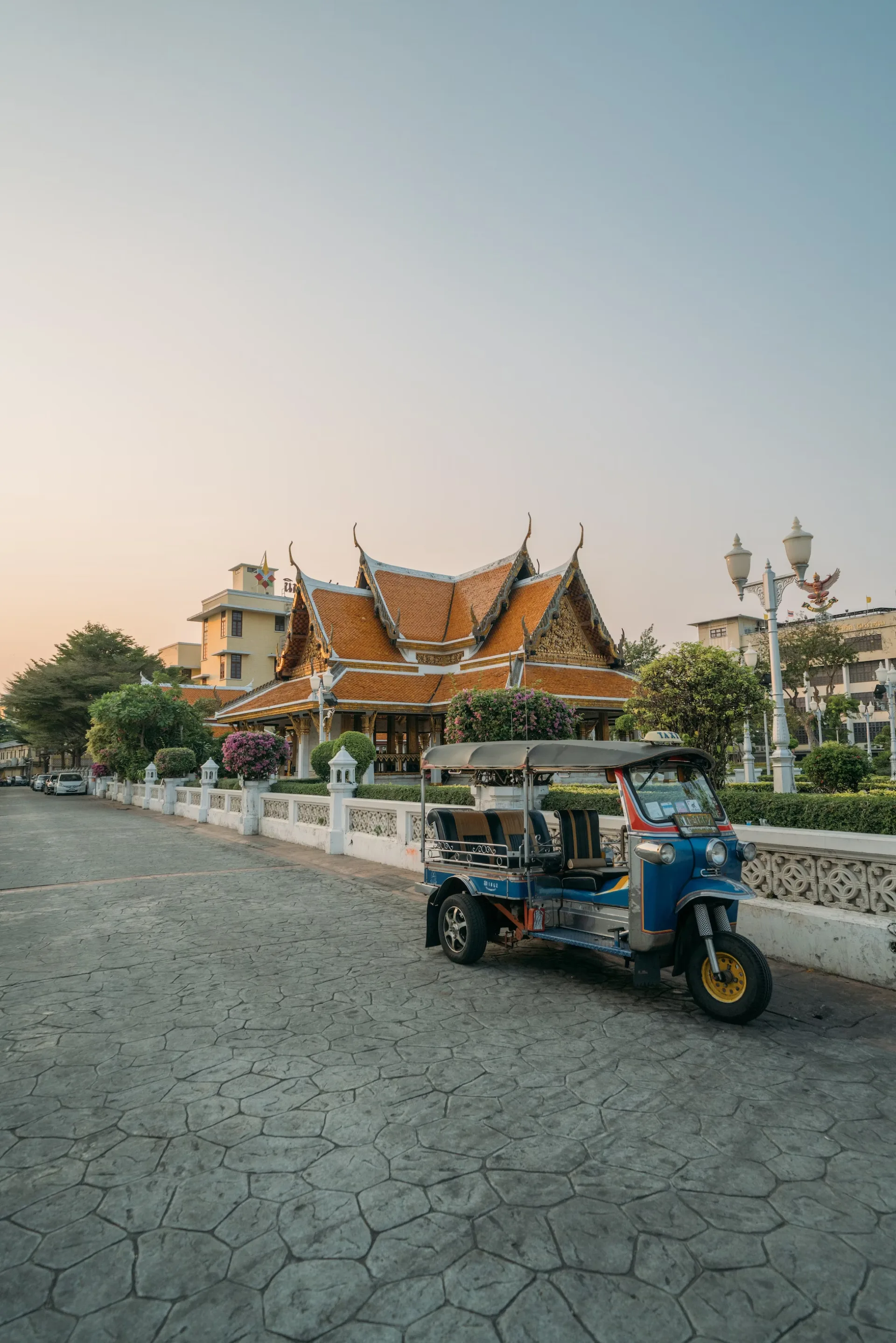
The most iconic mode of travel in Thailand. These open-air, three-wheeled vehicles are a fun way to get around the city. No trip to Thailand is complete without hopping in one of these at least once!
Tip: Always, always, always agree on the fare before hopping in.
Exhilarating and unique cultural experience, offering a fun way to explore local areas with open-air rides and personalized routes.
Safety concerns due to lack of protective gear, along with language barriers and potential for overcharging tourists.
Longtail Boat
An iconic way to explore Bangkok's canals (khlongs) and reach the islands of southern Thailand. Bangkok even has an express boat service on the Chao Phraya river.
Island-hopping, exploring river communities, and avoiding road traffic in Bangkok's canal network. A uniquely Thai experience.
Routes are limited to waterways. Can be loud and splashy — bring a plastic bag for your belongings! Pricier in touristy areas.